Campbeltown
One town at the end of the Kintyre peninsula, once the self-styled whisky capital of the world, now a region by right of stubbornness.
It is the smallest of the five by every measure except reputation among people who know, where it punches so far above its weight that the weight is barely visible.
How thirty-odd became two
In the second half of the nineteenth century Campbeltown supported more than thirty licensed distilleries, a density unmatched anywhere in Scotland, fed by local barley, coal from the pit at Machrihanish and a harbour with a straight run to Glasgow. The fall was almost as quick as the rise. Overproduction left the trade with unsold stock — the "whisky loch" — the First World War restricted output, US Prohibition removed a market, and blenders increasingly preferred gentler Speyside spirit.
Campbeltown had also acquired a reputation for producing quantity at the expense of quality, which stuck. By the mid-1930s only Springbank and Glen Scotia were working. Rather than fold the town into the Highlands, the Scotch Whisky Regulations 2009 kept Campbeltown as one of the five protected localities, which says something about the influence of a very small number of determined people.
Springbank: the whole job under one roof
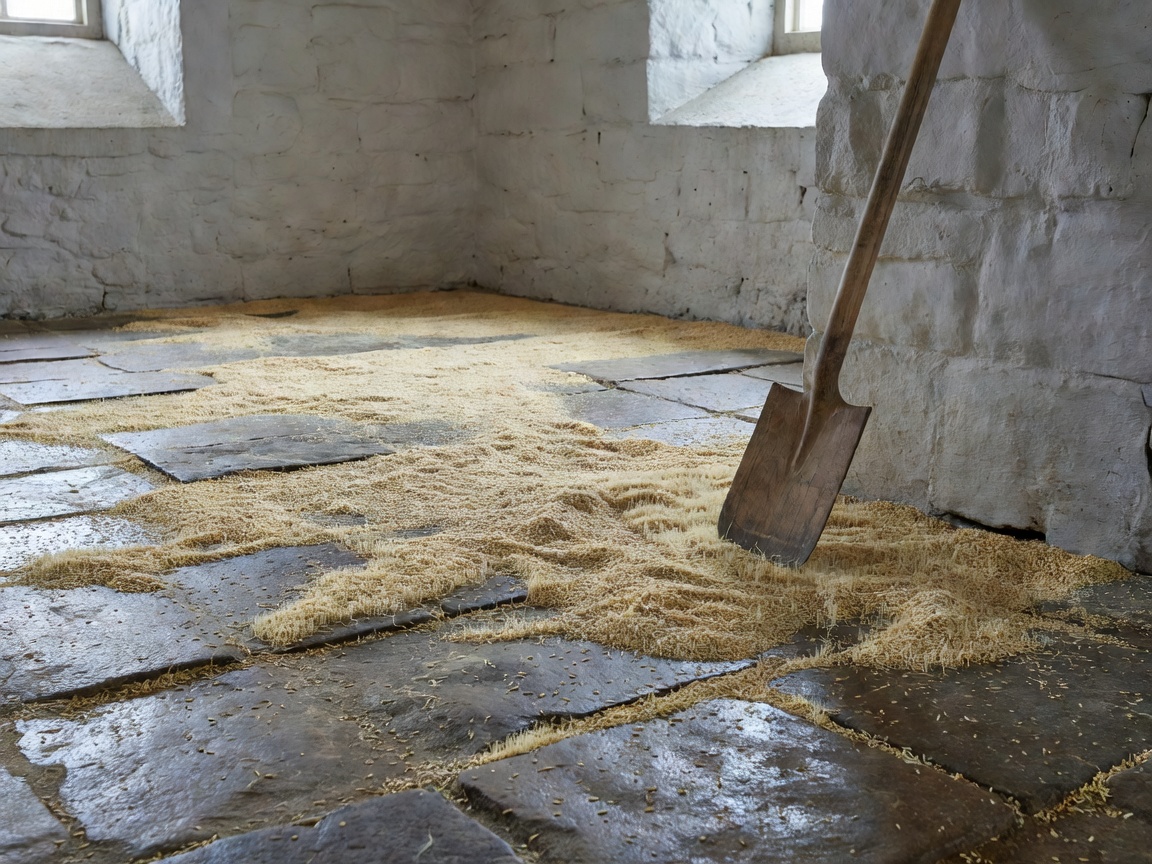
Springbank, owned by J & A Mitchell & Co, is the region's argument for existing. It malts all of its barley on traditional floors, distils, matures and bottles on the one site, and states that it is the only Scottish distillery to do the entire process itself. From the same stills it makes three spirits: Springbank, lightly peated and distilled two and a half times through an arrangement that sends part of the low wines through a third pass; Longrow, heavily peated and double distilled; and Hazelburn, unpeated and triple distilled. The wash still is partly direct-fired.
The same firm revived Glengyle across the way — built in 1872, silent from 1925, reopened in 2004 with stills bought from the closed Ben Wyvis distillery — and sells its whisky as Kilkerran because the Glengyle name belonged to someone else. Glen Scotia, the town's third distillery, runs two stills and makes a lightly peated, oily, maritime spirit that has spent much of its life being underrated.
Casks, damp and the Campbeltown funk
The town sits at sea level on a loch open to Atlantic weather, and its dunnage warehouses are cold and damp. Springbank's cask policy is eclectic — bourbon, sherry, port, madeira and rum wood all appear — and its bottlings carry no added colour and no chill filtration as standing policy. Kilkerran matures largely in bourbon and sherry wood. Glen Scotia's core range mixes bourbon maturation with sherry-finished and peated expressions.
Drinkers describe a shared regional note, variously called funk, brine, oil or wet rope, and describing it more precisely than that has defeated better writers. The causes are argued over; slow distillation, old-fashioned condensing, floor-malted barley and a damp maturation climate are the usual suspects, and the truth is probably all of them at once.
Label and provenance
"Campbeltown Single Malt Scotch Whisky" is a protected description carried by the town's distilleries and nobody else. Springbank labels state the year of distillation and of bottling on many releases, and its Local Barley series names the farm that supplied the grain. Kilkerran's early releases were sold as "Work in Progress" with ascending numbers as the spirit aged towards twelve years, a candour not universal in the industry.
Cadenhead's, founded in Aberdeen in 1842 and owned by the same family firm as Springbank, is the oldest independent bottler in Scotland and operates from the town. Demand has long run ahead of Springbank's deliberately unexpanded output, so releases tend to be allocated rather than shelved. A Campbeltown label sitting on a shelf at all is worth a second look; one at a sensible price deserves a third.
The Campbeltown line-up
| Spirit | Distillery | Peat | Distillation |
|---|---|---|---|
| Springbank | Springbank | Light | Two and a half times |
| Longrow | Springbank | Heavy | Double |
| Hazelburn | Springbank | None | Triple |
| Kilkerran | Glengyle | Light to medium, with heavily peated releases | Double |
| Glen Scotia | Glen Scotia | Light, with peated releases | Double |
Five spirits, three distilleries, one street. Compared with Speyside's fifty-odd, it is a rounding error with a legal status, and it produces some of the most sought-after malt in Scotland while declining to expand. There is a lesson in that, though the town would be the last to spell it out.