Five regions. One spirit. No shortage of opinions.
Scotland's whisky map is drawn by law, redrawn by marketing and argued over by everyone else. This guide walks the five regions the Scotch Whisky Regulations 2009 actually recognise — Speyside, Islay, the Highlands, the Lowlands and Campbeltown — and explains what the ground, the stills and the casks do to the spirit, and what the label is prepared to admit.
It is not a shop, it does not rate bottles out of a hundred, and it will not tell you what to buy. It will tell you why a Speyside distillery may legally call itself Highland, why a phenol figure on an Islay label overstates the case, and why one small town in Kintyre has a region to itself.
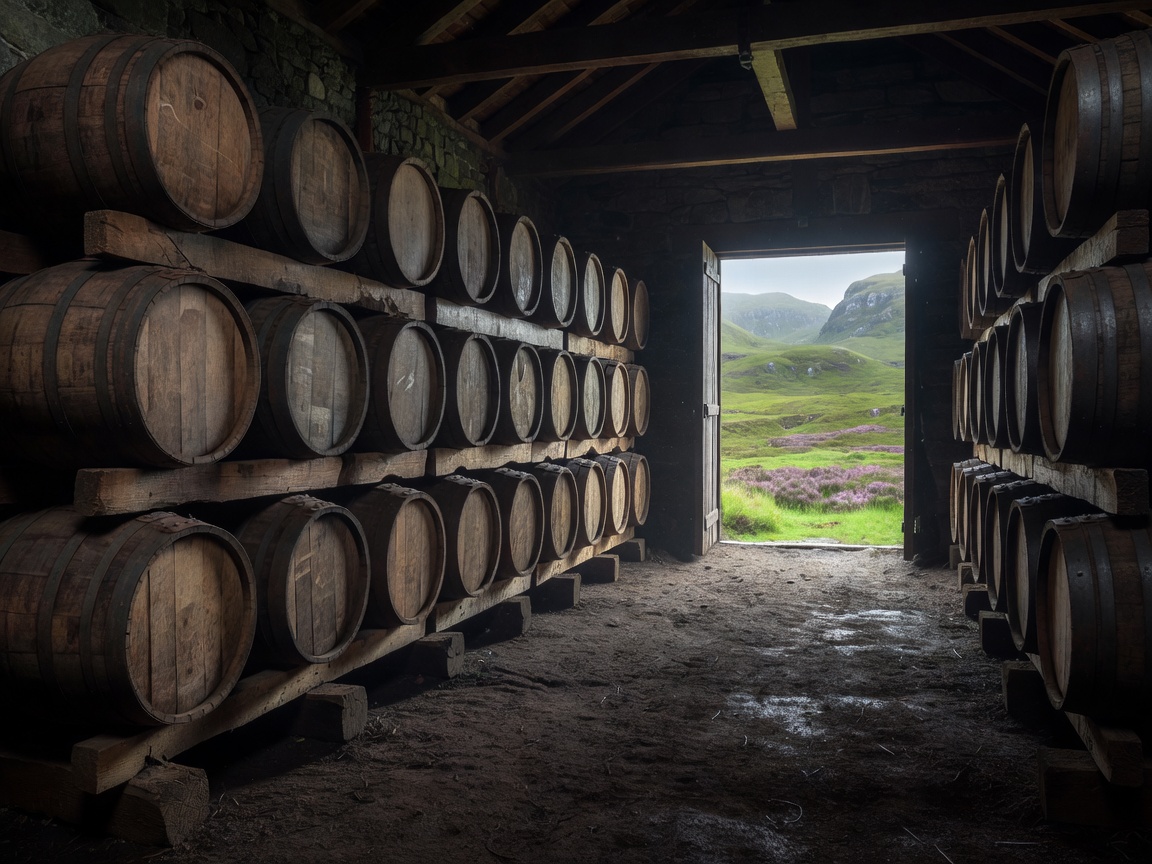
Five regions, as the law lists them
Each tile is a region. Each region gets a page on how its character came about, what the stillhouses are doing, how the casks are chosen and what its labels do and do not say.
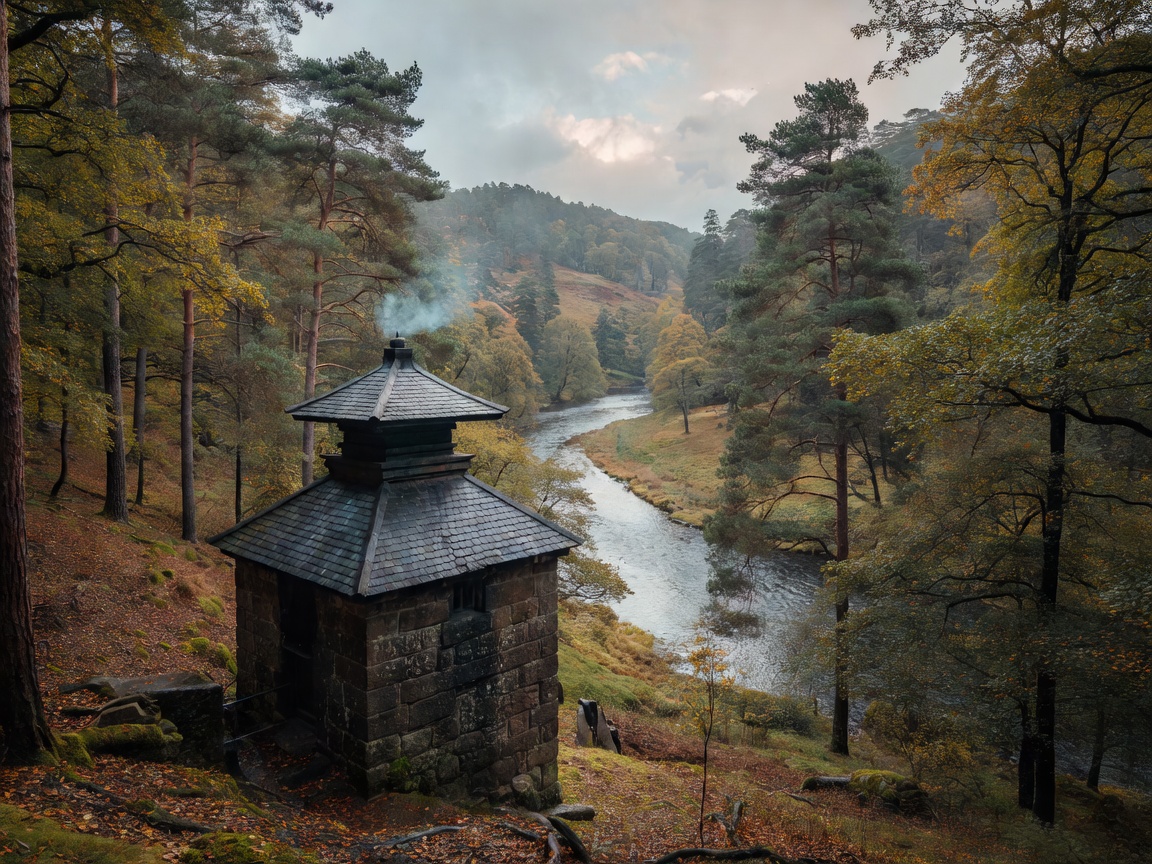 01SpeysideAround half of Scotland's malt distilleries, the sherry cask's spiritual home, and Glenfarclas, Macallan and Mortlach disagreeing about how to make it.
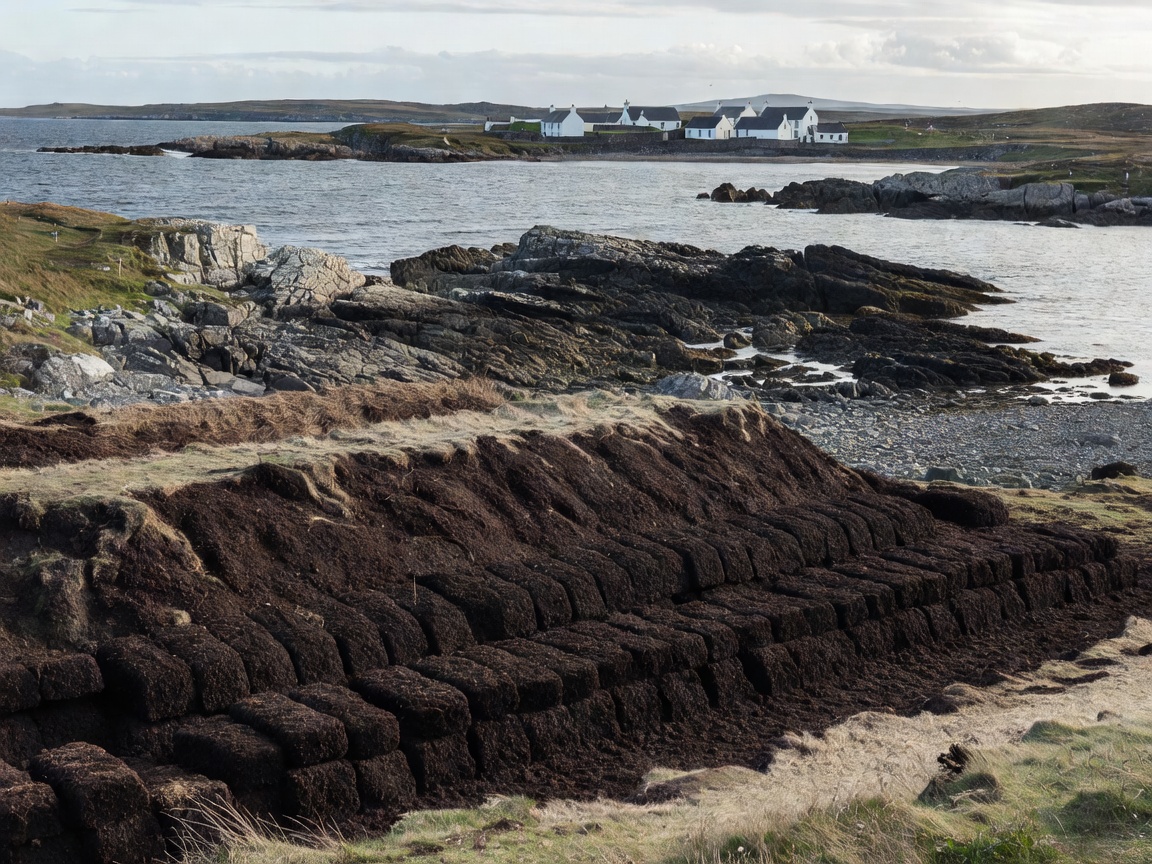 02IslayPeat, phenol figures and a coastline that Ardbeg, Lagavulin and Laphroaig share without much evidence of sharing.
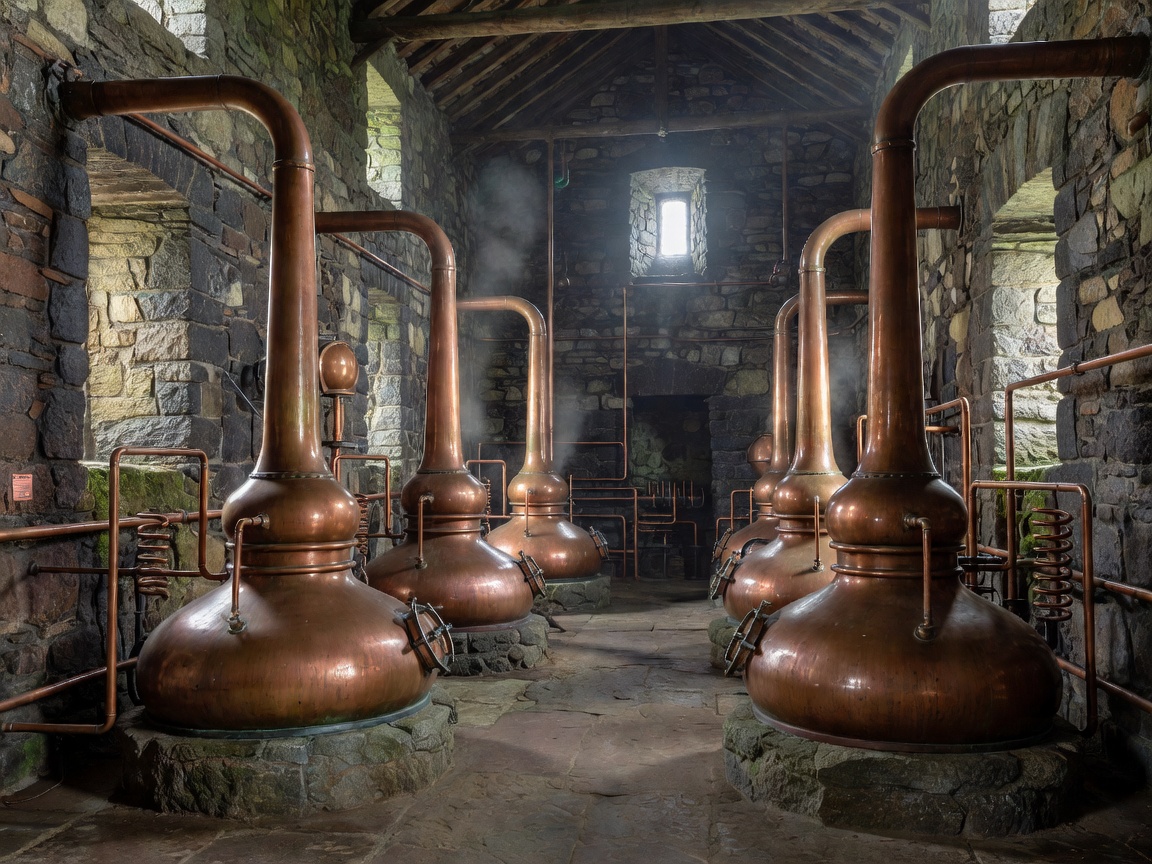 03HighlandsThe largest region and the vaguest description, from Glenmorangie's tall stills to Talisker's worm tubs.
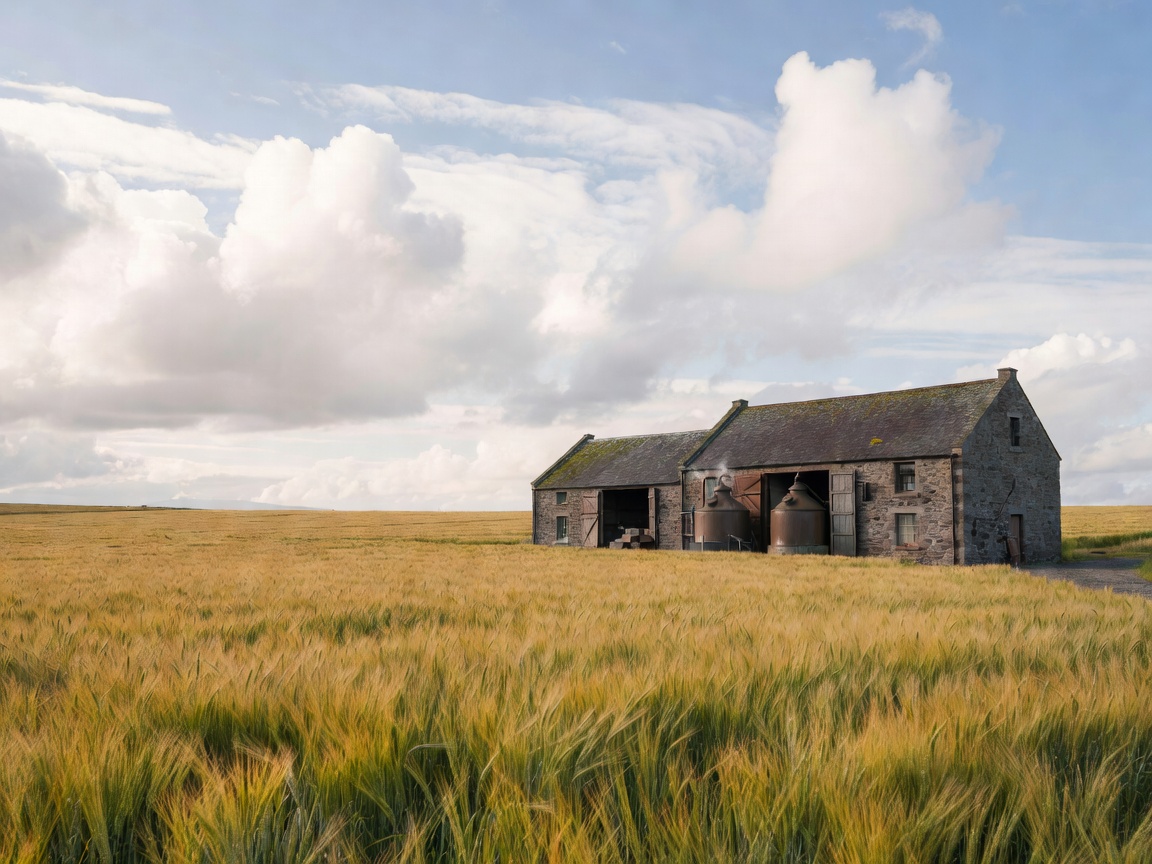 04LowlandsTriple distillation at Auchentoshan, grain giants such as Cameronbridge, and a receipt for malt from 1494.
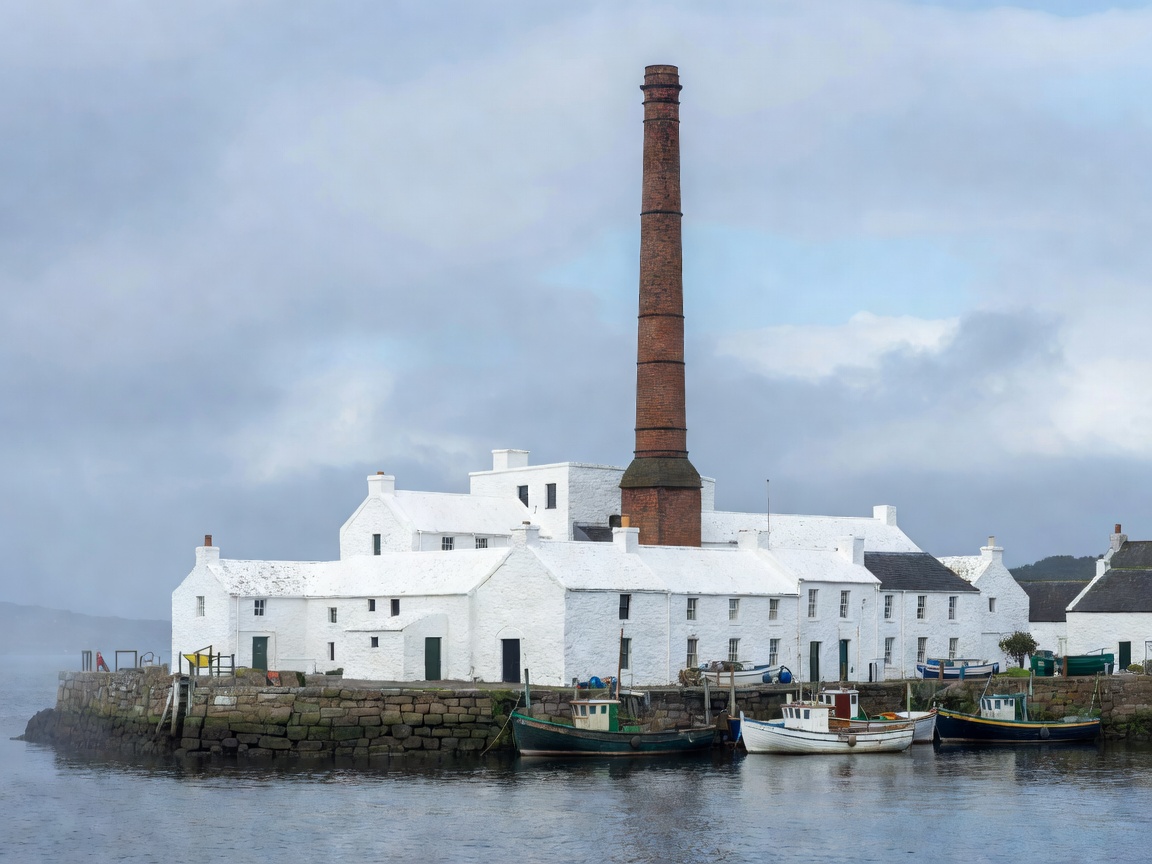 05CampbeltownOnce more than thirty distilleries. Springbank, Glen Scotia and Glengyle kept the region on the map by declining to leave it.
How to read a label without being taken in
What the words are doing
- Category
- "Single Malt Scotch Whisky" means malted barley, pot stills, one distillery. "Single Grain" means one distillery, not one grain. "Blended Malt" is malts from several distilleries; "Blended Scotch Whisky" adds grain whisky to the mix.
- Age statement
- The number is the youngest whisky in the bottle, never an average. No number at all is legal and increasingly common.
- Strength
- The legal minimum is 40% ABV. Bottlings at 46% and above are often left unchilled before filtering, which keeps oils in; "cask strength" means undiluted, and the figure varies batch to batch.
- Colour
- Plain caramel (E150a) may be added and need not be declared in the UK. "Natural colour" is a voluntary claim worth noticing precisely because its absence often means the opposite.
- Cask wording
- "Matured in" describes the whole life. "Finished in" describes a late holiday of months. "Sherry oak" says nothing about how long, or how many previous fills.
- Region
- Only the five localities are protected descriptions. "Island" is a shop label, not a legal one, and a Speyside distillery may call itself Highland whenever it likes.
What the law fixes
The Scotch Whisky Regulations 2009, enforced by the Scotch Whisky Association through the courts and by HMRC through verification, set the floor. To be Scotch, a whisky must be:
- distilled in Scotland from water and malted barley (other whole grains are permitted for grain whisky), fermented only with yeast;
- distilled to below 94.8% ABV so that it keeps the aroma and taste of its raw materials;
- matured in Scotland, in oak casks of no more than 700 litres, for at least three years;
- bottled at no less than 40% ABV, with nothing added except water and plain caramel colouring;
- if a single malt, bottled in Scotland.
Everything else on the label — "handcrafted", "small batch", "legendary", the picture of a stag — is optional, and priced accordingly.
Drinkers who like to know what they are drinking
This guide is for people who have got past "smoky or not smoky" and want to know why. It names distilleries because a comparison that will not name what it compares is a mood, not a guide. It gives figures only where they are settled — a legal minimum, a documented date, a distillery's own published specification — and says where to check the rest. Where the industry disagrees with itself, which is often, it says so. Corrections are welcome via the contact page.